
Your Leadership Legacy Is Already Being Written - You Just Might Not Like the Draft
As leaders advance, the game changes.
The metrics expand.
The decisions multiply.
The noise gets louder.
What once made you successful – speed, execution, constant output – can begin to pull you off course as you step into broader, more complex leadership roles.
At a certain level, leadership is no longer about doing more.
It’s about seeing more clearly.
This is where many senior leaders find themselves at an inflection point. Not because they lack capability, but because they’ve outgrown the patterns that once served them.
The question becomes:
What does my leadership actually look like to others?
Not in intention – but in experience. And beyond that again, the famous Rob Goffee and Gareth Jones question, why should anyone be led by me?
Leadership legacy is not defined by title or output alone. It is shaped by presence, priorities, and the way people feel in your orbit.
The leaders we remember are rarely the loudest or most demanding.
They are the ones who made others feel steadier. More capable. More confident – especially in moments that mattered.
Clarifying that kind of impact requires something many leaders don’t often give themselves: space.
Space to step back.
Space to reflect.
Space to reconnect with what truly matters.
Drawing on the work of Simon Sinek, one of the most powerful entry points is the question of why.
Why do you lead?
What drives your decisions beyond metrics and milestones?
What is the consistent thread across how you show up?
When leaders articulate their “why,” something shifts. Decision-making becomes clearer. Communication becomes more grounded. Alignment – within themselves and across their teams – strengthens.
But clarity doesn’t stop at insight. It requires translation. This is where the idea of The Leader’s Lens™ becomes powerful. The Leader’s Lens™ is a way of making your priorities visible. It’s a tangible articulation of what you focus on, what you value, and what you intentionally let go of.
Because at senior levels, leadership is as much about subtraction as it is about addition.
Letting go of hustle-driven habits that no longer serve. Resisting the pull to be everywhere, solve everything, and respond to every demand. Choosing instead to focus on what creates meaningful, sustained impact.
One way to access this clarity is through something deceptively simple: an object.
Imagine someone were taking a portrait of you as a leader…what would be in the frame and why?
- A compass might represent values and direction – a commitment to orient others when things feel uncertain.
- A chess piece might symbolize strategy and foresight – thinking several moves ahead.
- Gardening tools might reflect a belief in cultivating people over time.
These objects are more than metaphors. They are anchors. They help leaders externalize what often remains implicit.
From there, leaders can distill their leadership into a clear, concise statement – a personal leadership brand that communicates not just what they do, but how they lead and why it matters.
This clarity becomes especially important in today’s multi-generational, fast-moving workplaces.
People are not just looking for direction.
They are looking for meaning.
They are looking for leaders who make a clear promise about what matters.
When that promise is consistent – when words and actions align – trust deepens. And trust, more than anything, is what allows organizations to move forward with confidence.
Your title will change.
Your role will evolve.
But the way people experience your leadership – that is what endures.
The question is not just what you will achieve.
It’s what you will be known for.
Leadership today requires more than endurance. It requires the capacity to stay grounded, present, and clear when conditions are anything but. CPS HR supports public sector leaders through executive coaching designed to build that capacity. Our coaching helps leaders strengthen self‑awareness, manage pressure, and lead with steadiness in complex, high‑stakes environments. If you are navigating constant change and want to lead with greater clarity and confidence, learn more about CPS HR’s executive coaching services and how we support leaders doing some of the hardest work right now.
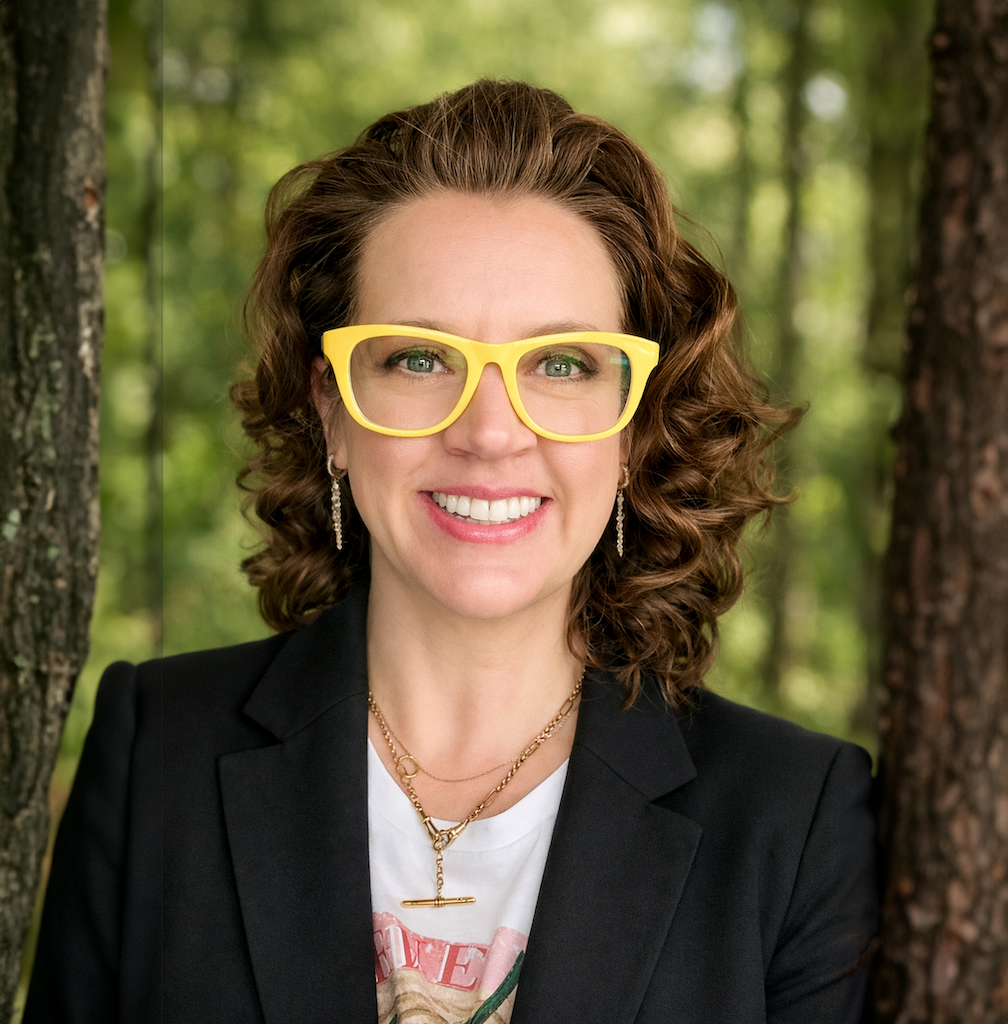
Lisa Kjellström is a global leadership guide, coach, and facilitator who helps leaders navigate complexity by strengthening what matters most: trust, emotional intelligence, and human connection.
With nearly two decades of experience, she designs transformative programs and storytelling-driven experiences that help leaders pause, reflect, and lead with greater clarity and presence. Her work centers on helping people become a steady, grounded force for their teams – especially in times of uncertainty – while shaping cultures rooted in trust and meaning.
Ready to learn more? Explore related resources:



Find Out How
CPS HR Consulting Can Help You
Every business has unique HR needs. Working together we’ll find the right solution to achieve your goals.
Connect with an HR Professional