
Being the Steady Center: Leading Teams Through Uncertainty
Something is off right now – and it’s not showing up in your dashboards or quarterly reports.
It’s easy to point to burnout. Or hybrid work. Or the latest wave of AI disruption. But underneath all of that is something harder to measure and easier to miss: People are tired in a way that doesn’t resolve with a long weekend.
This isn’t just workload fatigue. It’s emotional fatigue.
Uncertainty. Constant change. Information overload. Erosion of trust. A steady drumbeat of “what’s next?”
And here’s what makes it tricky: fatigue doesn’t always look like struggle.
It often looks like disengagement. Shorter answers. Less initiative. Quiet withdrawal.
So, leaders rush in and respond the way they’ve been trained to: fix the problem, drive clarity, move faster.
But that’s not what this moment is asking for.
The real leadership question right now isn’t: How do I remove stress for my team? It’s: Can I stay steady in the presence of it? Or, better said, can I cultivate my internal authority through self-awareness in moments of pressure?
Because whether you realize it or not, you are setting the emotional tone.
Your team is watching how you react to ambiguity. How you handle pressure. How you respond when things don’t go to plan.
And they take their cues from you.
We like to think culture is built through strategy decks and values statements. It’s not. It’s built in meetings. In tone. In micro-moments when things are unclear or tense.
That’s where “steady center” leadership lives.
And let’s be clear – this is not about being passive, nice, or endlessly accommodating. It’s not about absorbing everyone else’s emotions or playing therapist.
It’s about capacity.
Can you listen without rushing to fix? Can you acknowledge pressure without amplifying panic? Can you create space for honesty without losing direction?
That takes discipline. Practice. Presence.
It also takes preparation – something we rarely talk about in leadership.
We expect leaders to show up composed and clear-headed in high-stakes environments, yet we don’t treat leadership like a performance discipline. Athletes don’t wing it on game day. They train for it. Leaders should too.
If you are exhausted, overscheduled, and running meeting to meeting without pause, you are not resourced – you are reactive. And reactive leadership is contagious.
So, part of being a steady center is operational, not philosophical:
Sleep matters.
Boundaries matter.
Recovery time matters.
Not as self-care talking points – but as leadership requirements. The other shift is learning the difference between fixing and holding.
In complex environments, not everything can be solved quickly. But it can be held well. Holding space means you don’t rush past what’s real. You name what you’re seeing. You create room for people to speak honestly – without making it about you or trying to immediately resolve it.
And when something does need to be solved, you do that too. This isn’t either/or leadership. It’s both/and.
Especially in the public sector, where resources are often constrained and stakes are high, people don’t expect perfection from their leaders.
But they do notice presence.
They notice when a leader brings calm instead of urgency. Clarity instead of noise. Grounding instead of escalation.
In a system that often feels stretched, that steadiness becomes a form of trust. And right now, trust is the currency.
So, no – this isn’t a ‘nice to have’ in today’s leadership. It is the decision – moment by moment – to manage your own nervous system so you don’t outsource that labor to your team.
This is the work of being a leader.
Leadership today requires more than endurance. It requires the capacity to stay grounded, present, and clear when conditions are anything but. CPS HR supports public sector leaders through executive coaching designed to build that capacity. Our coaching helps leaders strengthen self‑awareness, manage pressure, and lead with steadiness in complex, high‑stakes environments. If you are navigating constant change and want to lead with greater clarity and confidence, learn more about CPS HR’s executive coaching services and how we support leaders doing some of the hardest work right now.
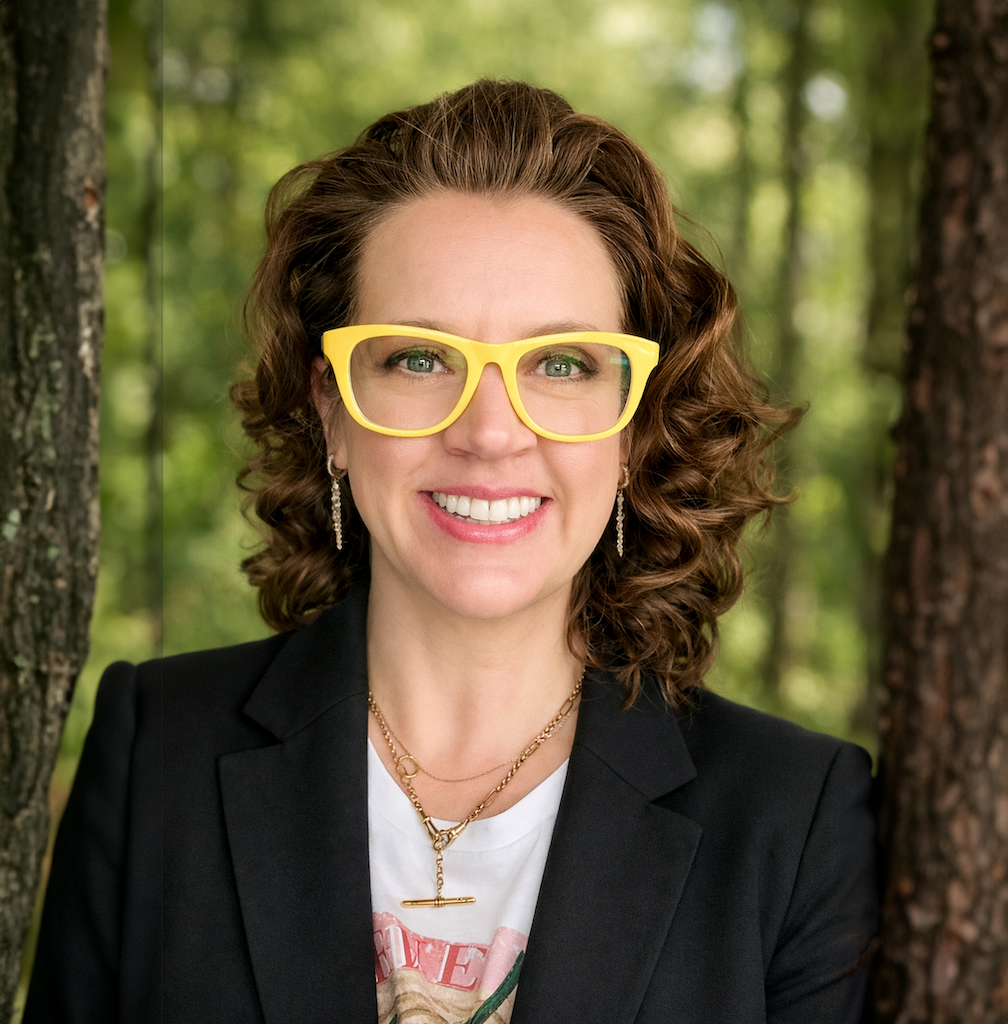
Lisa Kjellström is a global leadership guide, coach, and facilitator who helps leaders navigate complexity by strengthening what matters most: trust, emotional intelligence, and human connection.
With nearly two decades of experience, she designs transformative programs and storytelling-driven experiences that help leaders pause, reflect, and lead with greater clarity and presence. Her work centers on helping people become a steady, grounded force for their teams – especially in times of uncertainty – while shaping cultures rooted in trust and meaning.
Ready to learn more? Explore related resources:
Find Out How
CPS HR Consulting Can Help You
Every business has unique HR needs. Working together we’ll find the right solution to achieve your goals.
Connect with an HR Professional